Open Hours: Mon-Sat: 10:00 AM to 07:00 PM (Sunday Closed)
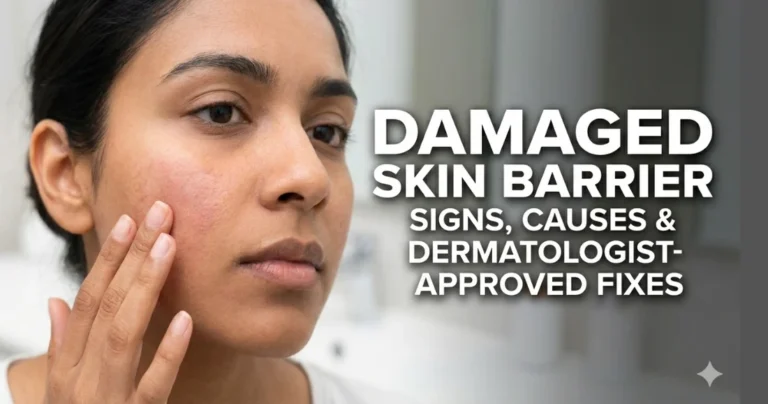
Healthy-looking skin is not only about having a glowing complexion. One of the most important parts of skin health is the skin barrier, the outer protective layer that helps retain moisture and protect the skin from environmental irritants.
In 2026, skincare is moving away from complicated routines and excessive use of active ingredients. Dermatology and skincare trends are increasingly focusing on skin barrier repair, long-term skin health, gentle formulations and evidence-based ingredients.
But how do you know if your skin barrier is damaged, and what should you actually do about it?
What Is the Skin Barrier?
The skin barrier is the outermost protective layer of your skin. It helps prevent excessive water loss while protecting your skin from pollution, irritants and other external factors.
When this protective layer is healthy, skin generally feels comfortable, hydrated and resilient. When it becomes weakened, the skin may become dry, rough, sensitive or easily irritated.
This is why skin barrier care has become such an important part of modern skincare.
Signs of a Damaged Skin Barrier
Your skin may be experiencing barrier damage if you notice:
- Persistent dryness or tightness
- Flaking or rough texture
- Redness or irritation
- Burning or stinging after applying products
- Increased sensitivity
- Dehydrated-looking skin
- Breakouts after using too many skincare products
A damaged barrier does not always look extremely dry. Some people may experience irritation and breakouts while their skin still appears oily.
What Can Damage the Skin Barrier?
Several everyday habits can affect the skin barrier.
1. Over-Exfoliation
Using scrubs, acids or exfoliating products too frequently can irritate the skin. Exfoliation should be appropriate for your skin type rather than simply following a social-media skincare trend.
2. Too Many Active Ingredients
Using multiple strong ingredients at the same time can make a skincare routine unnecessarily aggressive.
Retinoids, exfoliating acids, acne treatments and other active ingredients can be useful, but they need to be introduced carefully.
3. Harsh Cleansers
A cleanser should remove dirt, excess oil and makeup without leaving the skin feeling extremely tight or uncomfortable.
4. Excessive Sun Exposure
UV exposure can contribute to premature skin aging and damage. Daily broad-spectrum sunscreen remains one of the most important parts of a skin-health routine.
5. Constantly Changing Products
Trying a different viral product every few days can make it difficult to understand what is actually helping or irritating your skin.
How to Repair a Damaged Skin Barrier
If your skin feels irritated or overly sensitive, simplifying your routine may be more useful than adding more products.
Step 1: Use a Gentle Cleanser
Choose a mild cleanser that does not leave your skin feeling stripped or excessively dry.
Step 2: Focus on Moisturization
A good moisturizer can help support hydration and reduce water loss. Ingredients such as ceramides, glycerin, hyaluronic acid and niacinamide are commonly used in barrier-supportive skincare formulations.
Step 3: Don’t Overuse Exfoliants
If your skin is already irritated, temporarily reducing harsh exfoliation may help your skin recover.
Step 4: Use Sunscreen
Sun protection should remain part of your daily routine. Modern sunscreens are increasingly being formulated to feel lighter, blend more easily and work comfortably with different skin types.
Step 5: Give Your Routine Time
Skin does not necessarily improve overnight. Consistency is more useful than continuously changing products.
Skin Barrier Repair vs. Quick-Fix Skincare
One of the biggest changes in modern skincare is the shift from chasing instant results to focusing on long-term skin health.
A product may temporarily make your skin appear smoother or brighter, but healthy skin requires a routine that supports hydration, protection and tolerance over time.
This is particularly important for people who experience sensitive skin, acne, pigmentation or recurring irritation.
What About Retinol, Vitamin C and Other Active Ingredients?
Science-backed ingredients such as retinoids and vitamin C continue to remain important in skincare. The 2026 trend is not about completely avoiding active ingredients—it is about using proven ingredients in better-formulated and more tolerable routines.
For example, someone with pigmentation may benefit from a completely different routine from someone dealing primarily with acne or sensitive skin.
Therefore, personalized skincare can be more appropriate than copying another person’s routine from social media.
When Should You Consult a Dermatologist?
If your skin remains irritated, develops persistent redness, severe acne, unexplained pigmentation or repeated reactions to skincare products, professional evaluation can help identify the underlying problem.
A dermatologist can assess your skin condition and recommend an appropriate skin treatment, skincare routine or medical treatment based on your individual needs.
Avoid experimenting with prescription-strength treatments or strong active ingredients without appropriate professional guidance.
The 2026 Approach to Better Skin
The latest skincare direction is surprisingly simple: protect the skin barrier, use proven ingredients, avoid unnecessary irritation and maintain consistency.
Instead of building a routine with ten or fifteen products, focus on the basics first—gentle cleansing, adequate moisturization, appropriate active ingredients and daily sun protection.
Healthy skin is not about following every new viral trend. It is about finding a routine that your skin can tolerate and maintain over the long term.
If you are experiencing persistent dryness, sensitivity, acne, pigmentation or other skin concerns, a professional skin assessment can help determine the right approach for your skin.