Open Hours: Mon-Sat: 10:00 AM to 07:00 PM (Sunday Closed)
Acne is one of the most common skin concerns, but for many people, the problem does not end when active breakouts disappear. Acne can leave behind marks, pigmentation and changes in skin texture that may remain for months or even longer.
The good news is that acne scars can often be improved with the right skincare routine and professionally selected treatments. However, the most suitable approach depends on the type, depth and severity of the scar.
In this guide, we explain the common types of acne scars, why they develop, how to prevent them and what professional treatment options may help improve their appearance.
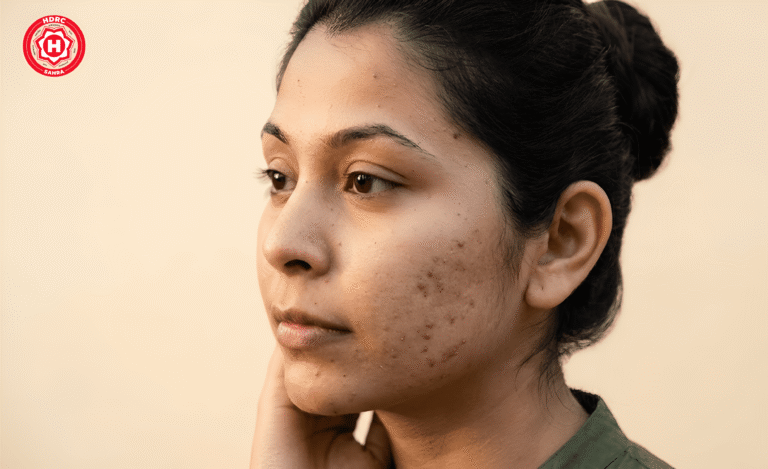
What Causes Acne Scars?
Acne scars generally develop when inflammation from acne damages the deeper layers of the skin.
Severe or inflamed acne can affect collagen production during the healing process. If too little or too much collagen is produced, the skin may develop an uneven texture.
Several factors can increase the risk of acne scarring, including:
- Severe inflammatory acne
- Frequently touching or squeezing pimples
- Delayed acne treatment
- Repeated breakouts
- Picking at scabs or active acne
- Improper skincare practices
- Lack of sun protection
Avoiding the habit of squeezing pimples is particularly important because it can increase inflammation and may make post-acne marks more noticeable.
Acne Marks vs Acne Scars: What Is the Difference?
Acne marks and acne scars are not exactly the same.
Post-acne marks are generally changes in skin colour that appear after a pimple heals. They may look red, pink, brown or darker than the surrounding skin.
Acne scars, on the other hand, involve a change in the skin’s texture. They may appear as depressions or raised areas.
Knowing the difference is important because pigmentation and textural scars may require different approaches.
Common Types of Acne Scars
1. Ice Pick Scars
Ice pick scars are small but relatively deep depressions in the skin. They can make the skin surface appear uneven, particularly under direct lighting.
2. Boxcar Scars
Boxcar scars are wider depressions with defined edges. They can occur after inflammatory acne damages the deeper layers of the skin.
3. Rolling Scars
Rolling scars create a wave-like or uneven appearance on the skin. They are often associated with changes in the deeper supporting tissues.
4. Raised Acne Scars
Some people develop raised scars instead of depressions. These scars occur when excess collagen is produced during the healing process.
How Can Acne Scars Be Improved?
There is no single treatment that works for every type of acne scar.
A skin specialist may evaluate the skin and recommend an appropriate treatment depending on the scar type and overall skin condition.
Potential professional approaches may include:
Microneedling
Microneedling creates controlled micro-injuries in the skin to support the skin’s natural healing process and collagen production.
It may be considered for certain types of uneven skin texture and depressed acne scars.
Chemical Exfoliation
Professional chemical exfoliation can help remove damaged surface skin cells and improve overall skin texture and appearance.
The type and strength of treatment should be selected according to the individual’s skin condition.
Laser-Based Procedures
Certain laser treatments can be used to address specific concerns related to skin texture and pigmentation.
The appropriate laser technology depends on the patient’s skin type and treatment goal.
Combination Treatments
In some cases, a combination approach may provide better results than using a single procedure.
A qualified professional can determine whether combining different procedures is appropriate.
How to Prevent New Acne Scars
Preventing severe acne is one of the most effective ways to reduce the risk of future scarring.
Follow these basic skincare practices:
Don’t squeeze pimples:
Picking or squeezing acne can increase inflammation and tissue damage.
Use sunscreen:
Sun exposure can make post-acne pigmentation more noticeable.
Treat active acne early:
Controlling repeated breakouts can help reduce the chances of developing new scars.
Avoid harsh home remedies:
Aggressive scrubbing or unsuitable products can irritate acne-prone skin.
Follow a consistent skincare routine:
A simple, suitable routine can help maintain healthier-looking skin.
Can Acne Scars Completely Disappear?
The outcome depends on the type and depth of the scar.
Some superficial marks may gradually become less noticeable, while deeper textural scars may require professional treatment.
The goal of treatment is generally to improve skin texture and reduce the visibility of scars, rather than promise instant or complete removal.
Results can also vary from person to person.
When Should You Consult a Skin Specialist?
Consider professional evaluation if:
- Acne keeps coming back
- Scars are becoming more noticeable
- You have deep acne scars
- Skin texture is uneven
- Dark marks are not improving
- Home skincare is not giving the desired results
A professional assessment can help identify the type of acne concern and determine an appropriate treatment plan.
Take the Right Step Towards Smoother-Looking Skin
Acne scars require patience and the right treatment approach. Instead of experimenting with multiple products or aggressive home remedies, understanding your specific skin concern is an important first step.
At HDRC Sahra, professional skin assessment can help determine suitable treatment options according to your skin condition and goals.