Open Hours: Mon-Sat: 10:00 AM to 07:00 PM (Sunday Closed)
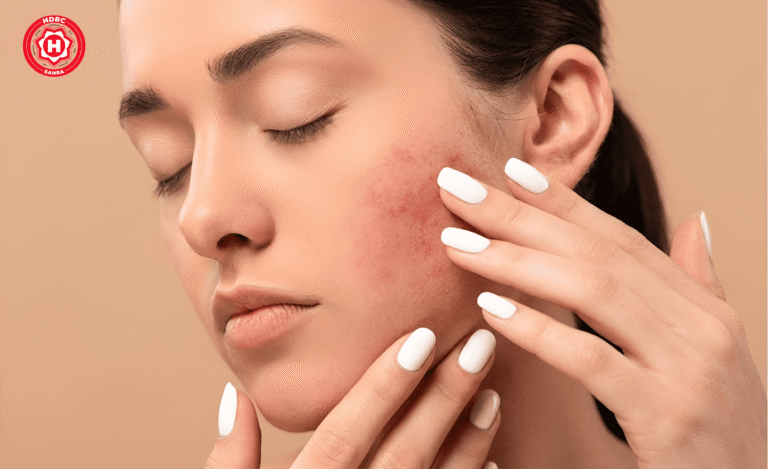
Dark spots on the face are a common cosmetic concern. They can appear after acne, excessive sun exposure, skin inflammation or other changes affecting melanin production.
While some pigmentation may gradually become lighter, persistent dark spots may require a more targeted skincare or professional approach.
Understanding why dark spots develop is the first step toward managing them effectively.
What Are Dark Spots?
Dark spots are areas of skin that appear darker than the surrounding complexion.
They can vary in size, colour and intensity. Some may appear as small marks after acne, while others can cover larger areas of the face.
Common causes include:
- Sun exposure
- Post-acne inflammation
- Skin irritation
- Hormonal changes
- Previous skin injuries
- Certain skincare habits
Why Does Sun Exposure Make Dark Spots Worse?
UV exposure can stimulate melanin production in the skin.
Melanin is the pigment responsible for skin colour. Increased melanin production can make existing pigmentation appear darker and may contribute to the development of new pigmentation.
This is why daily sun protection is an important part of managing uneven skin tone.
Dark Spots After Acne
A pimple may disappear, but the skin can sometimes remain discoloured after the inflammation has settled.
This is known as post-inflammatory hyperpigmentation.
These marks may gradually become lighter, but the process can take time.
Avoiding acne picking and using appropriate sun protection can help reduce the risk of these marks becoming more prominent.
Common Types of Facial Pigmentation
Post-Inflammatory Pigmentation
This can occur after acne, irritation or inflammation.
It may appear as brown or darker patches where a previous skin concern existed.
Sun-Related Pigmentation
Long-term sun exposure can contribute to uneven pigmentation and visible dark spots.
Hormonal Pigmentation
Hormonal changes can contribute to certain types of facial pigmentation. These concerns often require professional assessment before treatment.
How Can Dark Spots Be Reduced?
The right approach depends on the cause, depth and type of pigmentation.
1. Daily Sun Protection
One of the most important steps is protecting the skin from UV exposure.
Use a suitable broad-spectrum sunscreen and reapply according to your daily exposure and product instructions.
2. Avoid Picking Your Skin
Picking acne or irritated areas can increase inflammation and may leave darker marks.
Allow the skin to heal instead of repeatedly touching or squeezing affected areas.
3. Use Suitable Skincare
Ingredients and products should be selected according to your skin type and specific concern.
Using too many active ingredients at the same time may irritate the skin and potentially worsen pigmentation.
4. Professional Skin Treatments
Depending on the pigmentation, a professional may consider treatments such as chemical exfoliation, laser-based procedures or other customized approaches.
Treatment should be selected only after assessing the individual’s skin.
Can Home Remedies Remove Dark Spots?
Many home remedies are promoted online for pigmentation, but natural does not always mean suitable for facial skin.
Ingredients such as lemon juice or harsh scrubs may irritate the skin and potentially make pigmentation worse.
Instead of experimenting with aggressive remedies, choose a gentle skincare routine and seek professional advice if pigmentation persists.
How to Prevent Dark Spots
A consistent routine can help reduce the chance of developing new pigmentation.
Follow these simple habits:
- Apply sunscreen regularly
- Avoid excessive direct sun exposure
- Don’t squeeze acne
- Avoid harsh scrubbing
- Keep your skincare routine simple
- Use products suitable for your skin type
- Address recurring acne early
- Consult a professional for persistent pigmentation
When Should You See a Skin Specialist?
Professional evaluation may be useful when:
- Dark spots persist for a long time
- Pigmentation keeps returning
- The affected area is increasing
- Acne repeatedly leaves dark marks
- Over-the-counter skincare isn’t helping
- You are unsure about the cause of pigmentation
A skin specialist can assess the concern and suggest an appropriate treatment approach.
Get a Personalized Skin Assessment
Dark spots can have different causes, so there is no universal treatment that works for everyone.
The best approach is to identify the cause first and then follow a suitable skincare or professional treatment plan.
HDRC Sahra provides professional skin and hair consultation services in Nagpur. You can contact the clinic to discuss your specific skin concern and available treatment options.