Open Hours: Mon-Sat: 10:00 AM to 07:00 PM (Sunday Closed)
Healthy-looking skin is not only about using the right skincare products. Factors such as sun exposure, acne, pigmentation, uneven skin tone and accumulated dead skin cells can affect the appearance and texture of your skin.
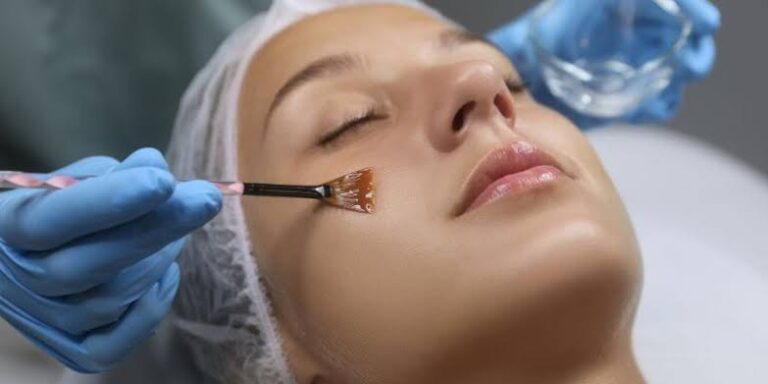
A chemical peel is one of the professional skin treatments used to improve several common skin concerns by applying a carefully selected chemical solution to the skin.
If you are considering a Chemical Peel in Bramhapuri, understanding the procedure, its benefits and the importance of professional skin assessment can help you make a more informed decision.
Chemical Peeling?
A professionally selected chemical peel can provide several cosmetic benefits.
1. Helps Improve Uneven Skin Tone
Sun exposure and pigmentation can make the complexion appear uneven. Certain chemical peels may help improve the appearance of superficial pigmentation and promote a more even-looking skin tone.
2. Supports Skin Exfoliation
Dead skin cells can accumulate on the surface of the skin and make it appear dull.
Chemical peeling provides controlled exfoliation, helping reveal fresher-looking skin underneath.
3. Helps With Acne-Prone Skin
Some types of chemical peels may be used as part of a professional acne-care plan. The choice of peel depends on the individual’s skin condition and the assessment of a qualified professional.
4. Improves Skin Texture
If your skin feels rough or looks uneven, appropriate professional exfoliation may help create a smoother-looking skin surface.
5. Gives the Skin a Refreshed Appearance
By addressing surface buildup and certain pigmentation concerns, chemical peeling can help the skin look brighter and more refreshed.
Types of Chemical Peels
Not every chemical peel is suitable for every person.
Chemical peels can broadly be categorized according to how deeply they work on the skin.
Superficial Peels
These generally work on the outermost layers of the skin and are commonly used for concerns such as dullness, mild pigmentation and uneven texture.
Medium-Depth Peels
These penetrate deeper than superficial peels and may be considered for specific pigmentation, texture or other skin concerns.
Deeper Peels
These are stronger treatments and require careful professional evaluation because they can involve greater downtime and a higher risk of side effects.
The strength and formulation of a peel should always be selected according to the individual’s skin condition rather than simply choosing the strongest option.
Who Can Consider a Chemical Peel?
Chemical peels may be considered by people concerned about:
- Mild to moderate pigmentation
- Uneven skin tone
- Dull skin
- Certain types of acne
- Uneven skin texture
- Superficial acne marks
- Sun-related skin changes
However, a chemical peel is not automatically appropriate for everyone.
A proper skin assessment is important before treatment, particularly if you have sensitive skin, active skin conditions, a history of abnormal scarring or are using certain skincare or prescription products.
What Happens During a Chemical Peel?
A professional chemical peel generally involves several steps.
Step 1: Skin Assessment
The skin is assessed to understand your skin type, concerns and treatment requirements.
Step 2: Skin Preparation
The skin is cleansed and prepared before the peel solution is applied.
Step 3: Application
The selected chemical peel is carefully applied to the targeted area according to the treatment plan.
Step 4: Controlled Treatment
The peel is kept on the skin for an appropriate period depending on the formulation and the individual’s skin response.
Step 5: Neutralization or Removal
Depending on the type of peel being used, the solution is neutralized or removed according to the specific protocol.
Step 6: Post-Treatment Care
Soothing and protective skincare may be recommended after the procedure.
The exact process can vary depending on the peel and individual treatment plan.
Chemical Peel Aftercare
After a chemical peel, proper aftercare is important.
Your skin professional may recommend:
- Using gentle skincare products
- Avoiding unnecessary rubbing or scrubbing
- Applying sunscreen regularly
- Avoiding excessive sun exposure
- Keeping the skin moisturized
- Avoiding active skincare ingredients for a recommended period
- Following the specific post-treatment instructions provided to you
Do not peel or pick at flaking skin. Allow the skin to recover naturally.
Is Chemical Peeling Safe?
When the appropriate peel is selected and performed by a qualified professional, chemical peeling can be an effective cosmetic treatment.
However, temporary redness, sensitivity, dryness, peeling or irritation can occur depending on the type and strength of the peel.
Incorrect product selection or unsupervised use of strong chemical peeling products can increase the risk of irritation, burns or pigmentation changes.
This is why professional assessment is particularly important.
Why Professional Skin Assessment Matters
Two people can have the same concern but require completely different treatment approaches.
For example, pigmentation can have different causes, and treating pigmentation without identifying the underlying concern may not produce the desired result.
At HDRC SAHRA Skin & Hair Research Aesthetic Clinic, treatment recommendations are based on individual skin concerns and professional assessment.
The goal is not simply to perform a procedure, but to select an approach that is appropriate for the individual’s skin.
Chemical Peel in Bramhapuri at HDRC SAHRA
If you are looking for chemical peeling in Bramhapuri, HDRC SAHRA provides professional skin and aesthetic care for individuals looking to address concerns such as pigmentation, acne, uneven skin tone and skin texture.
The clinic offers advanced skin, hair, laser and aesthetic treatments with an emphasis on personalized care.
Before choosing a chemical peel, it is important to understand your skin concern and discuss the appropriate treatment option with a qualified professional.
Frequently Asked Questions
How long does a chemical peel take?
The duration depends on the type of peel and the treatment area. Your skin professional can explain the expected treatment time during your consultation.
Can chemical peels help with pigmentation?
Certain chemical peels can be used as part of a pigmentation-management plan. The appropriate treatment depends on the type and cause of pigmentation.
Can chemical peels help acne?
Some chemical peels may be useful for selected acne concerns. A professional skin assessment is recommended before treatment.
How many sessions are required?
The number of sessions varies depending on the individual’s skin condition, treatment goals and type of peel being used.
Can I use a chemical peel at home?
Strong chemical peels should not be used without professional guidance. Incorrect concentration or application can cause irritation, burns and pigmentation problems.
Conclusion
A chemical peel can be a useful professional treatment for improving the appearance of pigmentation, uneven skin tone, dullness and certain texture or acne-related concerns.
However, the most important part is choosing the right peel for your skin.
If you are considering a Chemical Peel in Bramhapuri, start with a professional skin assessment rather than choosing a peel based only on its strength or popularity.
HDRC SAHRA provides personalized skin and aesthetic care designed around individual skin concerns and treatment requirements.
Book a consultation with HDRC SAHRA to understand which skin treatment may be right for you.
Disclaimer: Chemical peeling is a cosmetic procedure and results vary between individuals. Treatment suitability, possible risks, downtime and expected results should be discussed with a qualified skin professional before treatment.