Open Hours: Mon-Sat: 10:00 AM to 07:00 PM (Sunday Closed)
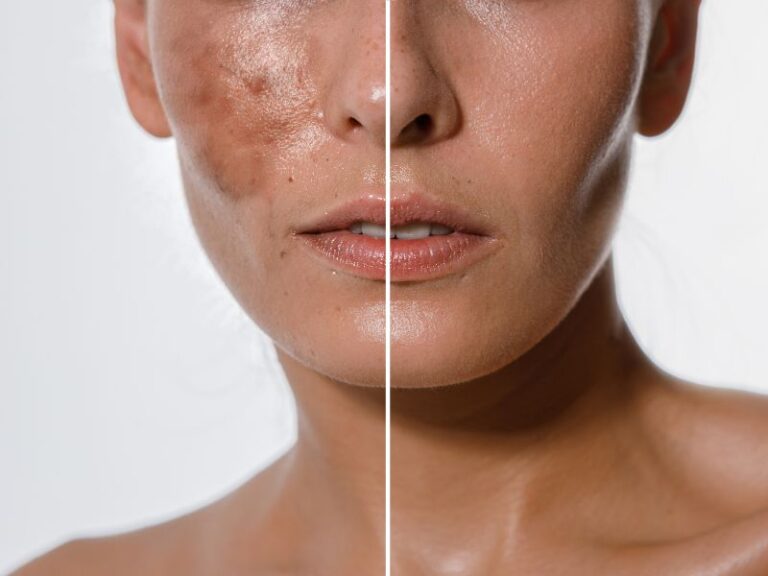
Dark spots, pigmentation and an uneven complexion are common skin concerns. They can develop because of sun exposure, acne marks, hormonal changes, inflammation and other factors.
For people who have tried multiple skincare products without getting the desired improvement, professional treatments such as a chemical peel for pigmentation may be considered after a proper skin assessment.
What Is a Chemical Peel?
A chemical peel is a professional skin treatment in which a carefully selected chemical solution is applied to the skin for a controlled period.
Depending on the formulation and concentration, a peel can work on the superficial layers of the skin and encourage the removal of damaged or pigmented surface cells.
The type of peel used depends on factors such as:
- Skin type
- Pigmentation pattern
- Skin sensitivity
- Existing acne or inflammation
- Treatment goals
- Previous skincare or cosmetic treatments
Because every person’s skin is different, the appropriate peel should be selected by a qualified skin professional.
Can Chemical Peels Help Pigmentation?
Chemical peels may help improve the appearance of certain types of pigmentation by encouraging skin renewal and reducing the appearance of unevenly pigmented surface skin.
They may be considered for concerns such as:
- Dark spots
- Post-acne marks
- Uneven skin tone
- Sun-related pigmentation
- Dull-looking skin
- Certain superficial pigmentation concerns
However, pigmentation can have different causes. Treating the visible pigmentation without identifying its underlying cause may not provide long-lasting results.
Why Does Pigmentation Develop?
Pigmentation can occur for several reasons.
Sun Exposure
UV exposure can stimulate melanin production and contribute to darker patches and uneven skin tone.
Acne and Inflammation
After acne or other skin inflammation heals, temporary or persistent dark marks may remain.
Hormonal Changes
Hormonal factors can contribute to certain pigmentation conditions, including melasma.
Skin Irritation
Harsh skincare products, excessive exfoliation or repeated irritation can sometimes worsen pigmentation.
Understanding the cause is therefore an important part of choosing an appropriate treatment approach.
What Happens During a Chemical Peel?
The exact process depends on the type of peel selected.
A typical professional treatment may involve:
- Skin assessment and consultation
- Cleansing of the treatment area
- Preparation of the skin
- Application of the selected peel
- Monitoring for the appropriate duration
- Removal or neutralization when required
- Application of suitable post-treatment products
- Instructions for home care and sun protection
The treatment should always be performed according to professional protocols.
Is There Downtime?
Downtime varies depending on the type and strength of the peel.
Some superficial treatments may cause temporary redness, dryness or mild peeling. Stronger treatments can involve more noticeable peeling and require longer recovery.
Following aftercare instructions is important because recently treated skin can be more sensitive to sunlight and irritating skincare products.
Aftercare Following a Chemical Peel
After a peel, your skin professional may recommend:
- Gentle cleansing
- Regular moisturization
- Broad-spectrum sunscreen
- Avoiding unnecessary sun exposure
- Avoiding aggressive scrubs
- Avoiding picking or peeling the skin
- Temporarily avoiding irritating active ingredients when advised
Sun protection is particularly important when treating pigmentation.
How Many Sessions Are Needed?
There is no fixed number of sessions that works for everyone.
The number of treatments depends on:
- Type of pigmentation
- Depth of pigmentation
- Skin response
- Type of peel
- Treatment plan
- Sun exposure and lifestyle factors
A professional can determine an appropriate schedule after examining the skin.
Chemical Peel vs Home Skincare
Skincare products can play an important role in managing pigmentation, but professional peels work differently from ordinary daily skincare.
A dermatologist or qualified skin professional can assess whether a chemical peel is suitable and combine it with an appropriate home-care routine when necessary.
Choosing a Skin Clinic in Bramhapuri
If you are searching for pigmentation treatment in Bramhapuri, look for a clinic that provides proper skin assessment rather than recommending the same treatment to everyone.
HDRC Sahra provides skin and aesthetic treatments in Bramhapuri, with consultations designed around individual skin concerns.
The clinic is located at, Bramhapuri.
Final Thoughts
Pigmentation can have several causes, so treatment should begin with understanding the condition rather than simply choosing the strongest procedure.
A chemical peel for pigmentation may be useful for selected skin concerns when performed appropriately and combined with suitable skincare and sun protection.
If dark spots or uneven pigmentation are persistent, consider getting your skin evaluated before starting a professional treatment.