Open Hours: Mon-Sat: 10:00 AM to 07:00 PM (Sunday Closed)
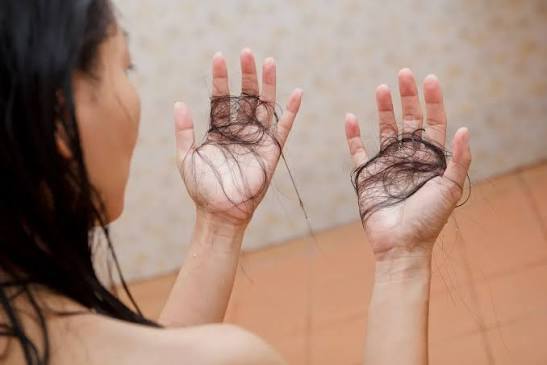
Hair fall can have several different causes, and sometimes people focus only on the hair strands while ignoring the condition of the scalp. An excessively oily scalp can make the hair feel greasy, heavy and difficult to manage, but it is important to understand that oily scalp alone does not automatically mean it is the direct cause of hair loss.
Understanding scalp health can be an important part of managing ongoing hair concerns.
What Causes an Oily Scalp?
Your scalp naturally produces sebum, an oil that helps protect the skin and hair. However, excessive oil production can make the scalp appear greasy soon after washing.
Several factors may contribute to an oily scalp, including:
- Individual scalp characteristics
- Hormonal fluctuations
- Hot and humid weather
- Excessive sweating
- Frequent use of heavy hair products
- Inadequate scalp cleansing
- Certain scalp conditions
Does an Oily Scalp Cause Hair Fall?
Not necessarily.
Hair shedding can occur for many reasons, including nutritional deficiencies, hormonal changes, stress, genetics, scalp disorders and other medical conditions.
However, excessive oiliness can sometimes occur alongside scalp problems such as dandruff or inflammation. When the scalp becomes irritated, maintaining a healthy scalp environment becomes more difficult.
Therefore, persistent hair fall should not simply be blamed on an oily scalp.
Signs That Your Scalp May Need Attention
You may want to get your scalp evaluated if you experience:
- Excessive oiliness shortly after washing
- Persistent dandruff or flakes
- Scalp itching
- Redness or irritation
- Sudden increase in hair shedding
- Noticeably thinning hair
- Receding hairline
- Visible reduction in hair density
These symptoms can have different causes, so proper evaluation is more useful than self-diagnosing.
How to Maintain a Healthier Scalp
Wash According to Your Scalp Needs
There is no universal rule that everyone should wash their hair on exactly the same schedule. People with oily scalps may need more frequent cleansing than those with dry scalps.
Avoid Heavy Product Build-Up
Excessive use of oils, styling products and heavy creams can make an oily scalp feel even more greasy.
Don’t Scratch the Scalp
Repeated scratching can irritate the scalp and potentially worsen existing inflammation.
Choose Products According to Your Scalp
A shampoo or scalp product should be selected according to your scalp condition rather than simply choosing a product because it is marketed for hair fall.
When Is Hair Fall a Reason for Professional Consultation?
If hair shedding continues for several weeks, becomes noticeably heavier or is accompanied by scalp symptoms, professional evaluation can help identify the possible cause.
A hair and scalp assessment may consider factors such as:
- Pattern of hair loss
- Scalp condition
- Recent illness or stress
- Diet and nutritional factors
- Family history
- Hormonal factors
- Hair-care practices
The treatment plan should be based on the suspected cause rather than treating every type of hair fall in the same way.
Hair Fall Treatment in Bramhapuri
If you are searching for hair fall treatment in Bramhapuri, an evaluation of both the scalp and hair-loss pattern can be an important first step.
At HDRC Sahra, hair and scalp concerns can be assessed to understand the underlying problem and determine an appropriate treatment approach.
Oily Scalp Does Not Always Mean Hair Loss
An oily scalp and hair fall can occur together, but they are not necessarily the same problem. Instead of changing shampoos repeatedly or applying multiple home remedies, it is better to identify why the scalp is oily and why the hair is shedding.
Early professional evaluation can help you understand the cause and choose a more appropriate treatment strategy.
Book a hair and scalp consultation with HDRC Sahra for personalised guidance.