Open Hours: Mon-Sat: 10:00 AM to 07:00 PM (Sunday Closed)
Hyperpigmentation is one of the most common skin concerns that can make the complexion look uneven or dull. Dark spots, patches and uneven skin tone may develop after acne, sun exposure, hormonal changes, inflammation or repeated skin irritation.
For people looking for clearer and more even-looking skin, understanding the actual cause of pigmentation is more important than simply using multiple skincare products.
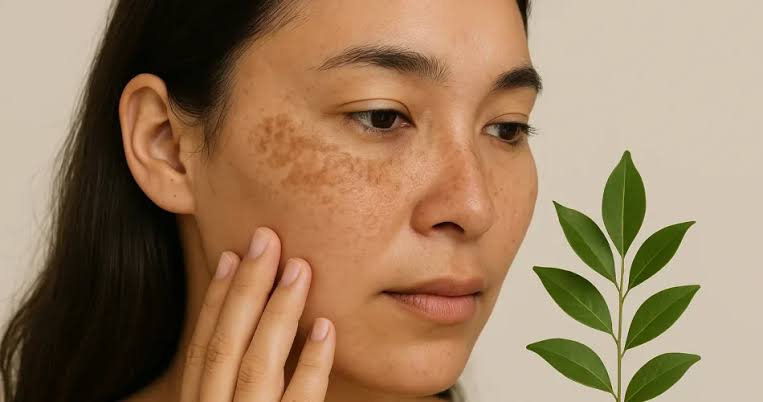
What Is Hyperpigmentation?
Hyperpigmentation occurs when certain areas of the skin become darker than the surrounding skin. It can appear as small dark spots, larger patches or an overall uneven skin tone.
Common types include:
- Post-acne dark spots
- Sun-induced pigmentation
- Melasma
- Post-inflammatory hyperpigmentation
- Uneven skin tone caused by skin irritation
The right approach depends on the type, depth and cause of pigmentation.
What Causes Dark Spots and Uneven Skin Tone?
1. Sun Exposure
Regular exposure to UV rays can stimulate excess melanin production and make existing pigmentation darker. This is why daily sun protection is an important part of pigmentation management.
2. Acne and Skin Inflammation
Pimples may disappear, but they can leave dark marks behind. These marks are commonly known as post-inflammatory hyperpigmentation.
3. Hormonal Changes
Hormonal fluctuations can contribute to pigmentation such as melasma, particularly on areas including the cheeks, forehead and upper lip.
4. Incorrect Skincare
Over-exfoliating, using harsh products or repeatedly irritating the skin can worsen pigmentation instead of improving it.
How Can You Prevent Pigmentation From Getting Worse?
A simple skincare routine can help support healthier-looking skin.
Use sunscreen regularly: Choose a broad-spectrum sunscreen and apply it consistently when exposed to daylight.
Avoid unnecessary irritation: Do not repeatedly scrub or pick acne and pigmentation.
Keep your routine simple: Cleanser, moisturizer and sunscreen can provide a basic foundation before adding targeted products.
Treat acne early: Preventing repeated inflammation may reduce the chances of developing new dark marks.
Professional Treatment for Hyperpigmentation
When pigmentation persists despite a consistent skincare routine, professional assessment can help identify the underlying cause.
Depending on the patient’s skin condition, a skin specialist may recommend treatments such as chemical peels or other clinically appropriate procedures.
Chemical peeling, for example, uses specially selected exfoliating agents to improve the appearance of certain pigmentation, uneven texture and dull-looking skin. The treatment should be selected according to skin type and pigmentation severity rather than using the same peel for everyone.
When Should You Consult a Skin Specialist?
Consider professional evaluation if:
- Pigmentation continues to become darker
- Dark patches are spreading
- Acne marks are not fading
- Home skincare is causing irritation
- You are unsure whether the pigmentation is melasma or another condition
- You have tried multiple products without improvement
Hyperpigmentation Treatment in Nagpur
If you are searching for hyperpigmentation treatment in Nagpur, professional skin assessment can help determine the most suitable approach for your skin.
At HDRC Sahra, skin concerns can be evaluated before recommending a suitable treatment plan. The goal is to understand your skin condition rather than following a one-size-fits-all routine.
Final Thoughts
Pigmentation rarely improves through random product switching. Identifying the cause, protecting the skin from UV exposure and following a consistent skincare routine are important steps toward improving uneven skin tone.